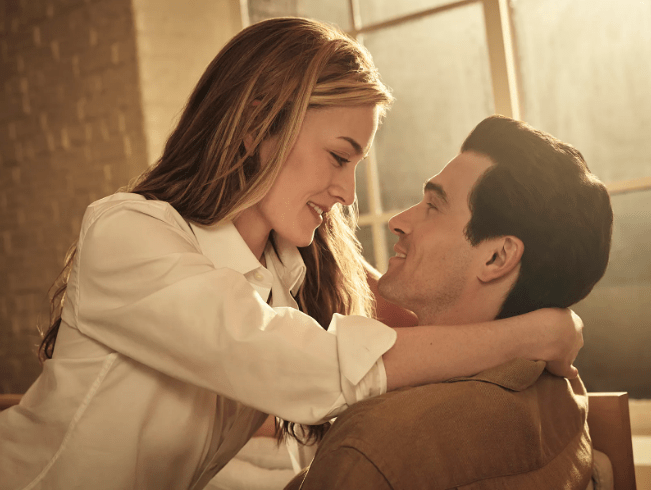
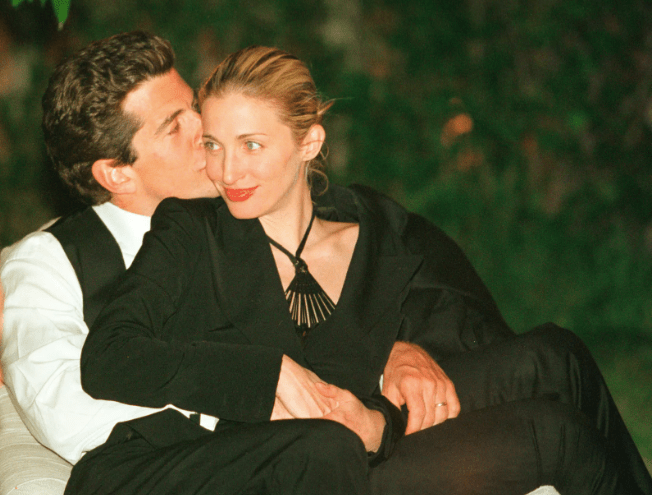
It’s funny how I discovered this big hunk of a ‘90s throwback: Ryan Murphy’s Love Story featuring John F. Kennedy Jr. & Carolyn Bessette. I was doom-scrolling when I came across a Gen Z TikToker raving about this modern day romance between a veritable prince and a style icon like she had stumbled on a goldmine. I was tempted to comment: “Gurl, the actual was a thousand times more electric!”
Of course, I knew all about JFK Jr. I grew up steeped in Kennedy lore. US President John F. Kennedy’s “Ask not what your country can do for you, ask what you can do for your country” remains one of the most enduring calls to civic duty. I devoured a book about the family matriarch, Rose Fitzgerald Kennedy. When I was a grade-schooler, the made-for-television movie, Young Joe, The Forgotten starring Peter Strauss aired every other week or so. Eras are defined by images, and Jackie’s blood-stained pink Chanel and John-John giving his fallen father a salute are among the most indelible of the 20th century.
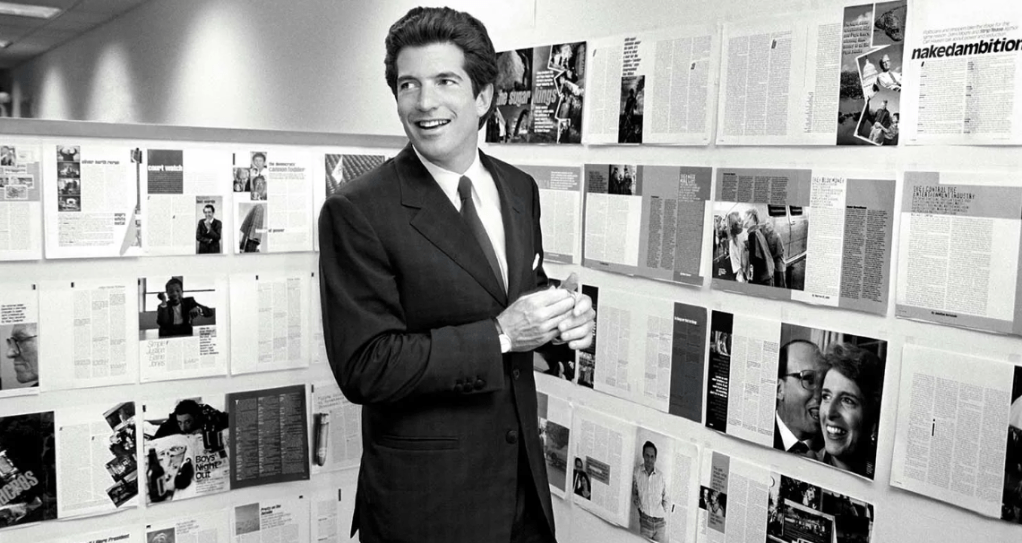
Had he lived, JFK Jr. would have been 65 today. While he was technically a Boomer, he carried a Gen X sensibility about him: biking to work, failing the bar exam twice, and launching a glossy magazine that was a witty juxtaposition of politics and celebrity culture.
But beyond the star-crossed romance, I was drawn to Love Story because it spoke of that cultural moment when there was such a thing as print and it mattered. When I saw Sarah Pidgeon’s Carolyn Bessette lingering over a corner newsstand with the familiar mastheads of Vogue, Architectural Digest, Esquire, Cosmopolitan, GQ, and Vanity Fair, I was hooked.
JFK Jr. was only seven years older than I. While he and Carolyn were carrying on, I was just starting my journey in media as a reporter at a business paper. I lived for news conferences and ambush interviews, churning out four to five pieces a day. It was exhilarating!
It was around this time that I developed a fancy for glossy magazines. I would scour the bins of Booksale, hunting down the very mastheads featured in Love Story. I was particularly obsessed with Tina Brown’s Vanity Fair, and later on Graydon Carter’s with the delicious covers of Annie Leibovitz and the insider investigations of Dominick Dunne. I looked forward to reading Christopher Hitchens, and was despondent when he was diagnosed with esophageal cancer. One of his more memorable essays explored the intimate relationship between speech and prose as he started losing his own voice.
“To my writing classes I used later to open by saying that anybody who could talk could also write… If something is worth hearing or listening to, it’s very probably worth reading. So, this above all: Find your own voice.” – Christopher Hitchens
I miss him.
While I combed the bins of Booksale for the pricier glossies, I considered a subscription to TIME indispensable. It wasn’t sexy like Vanity Fair, but it was my window to the world. I enjoyed the film reviews of Richard Corliss and found the essays of Roger Rosenblatt intriguing. Its editors knew how to distill the human in breaking stories. The way Howard Chua-Eoan described the aftermath of the 1996 explosion of TWA Flight 800, for instance, is forever etched in my memory.
“Out of a camera bag fished from the waste came a list in pencil, in what seemed to be a young girl’s handwriting. Amy: light pink, size 8. Corry: dress. Steph: orange or hunter green–the plan for a spree in Paris, transformed into a haiku of loss.” – Howard Chua-Eoan
And then there’s Vogue. In The Devil Wears Prada, a film about the comings and goings at a fashion magazine with a character loosely based on Anna Wintour at the center of it all, Andy Sachs tries desperately to convince her friends that there’s more to the glossy than fancy purses—”a piece by Jay McInerney, an essay by Joan Didion, an interview with Christiane Amanpour.” But truthfully, it is precisely the fancy purses that I love about Vogue. The ads were as scrumptious as the editorial. And there was nothing more special than opening a thick September issue, heavy with perfume strips and sachet inserts. Leafing through the pages felt wonderfully extravagant!
Of course, Vogue was a necessity for Carolyn, which she bought at the previously mentioned newsstand along with a pack of cigs.
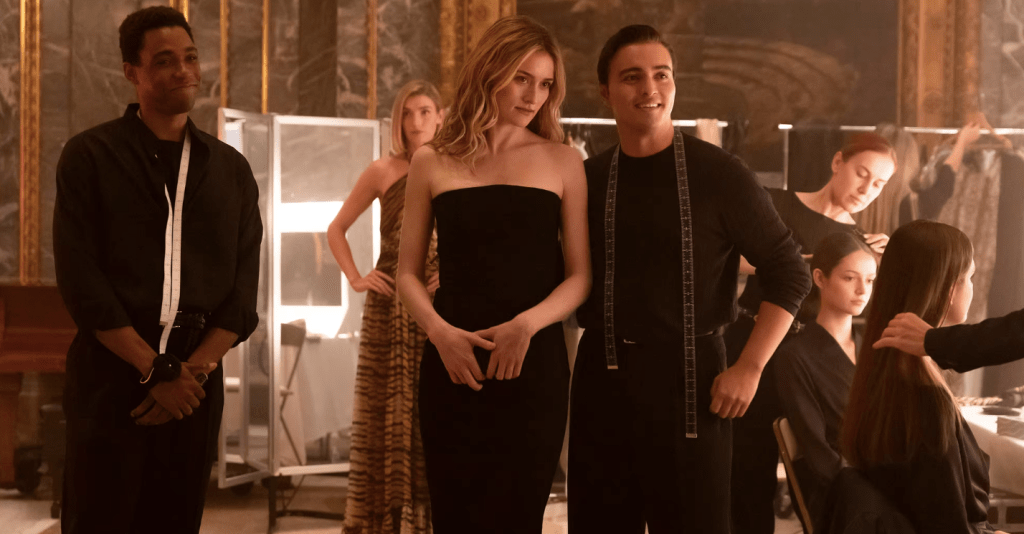
Watching JFK Jr. and Carolyn fall deeper into each other takes me back to that season when I was falling deeper into prose. I kept stacks of magazines, piles of books, and read every single one. I was reading. I was writing. I was playing with words, finding my voice, and it was quite a thrill.
We know how this love story ends, but somehow we can’t stop watching.
Some tune in for the fashion; others for the music.
Some long for what might have been, a contemporary retelling of the Kennedy Camelot.
As for me, I would always associate this beautiful couple with my own unfolding: when I discovered the melody of language and how happy I’d be to spend my time singing it!




 LULA LAND
Leave a comment